12 Vintage Leather Texture Backgrounds for Your Next Project
There's something about a well-worn leather texture that instantly communicates quality, durability, and a touch of heritage. It's a material that feels both timeless and tactile. In the digital design world, capturing that authentic feel can be the difference between a project that feels generic and one that resonates with character. This collection of 12 Vintage Leather Texture Backgrounds is built for exactly that purpose—providing a foundational design asset that brings depth and sophistication to a wide range of creative work.
The Visual Character of Aged Leather
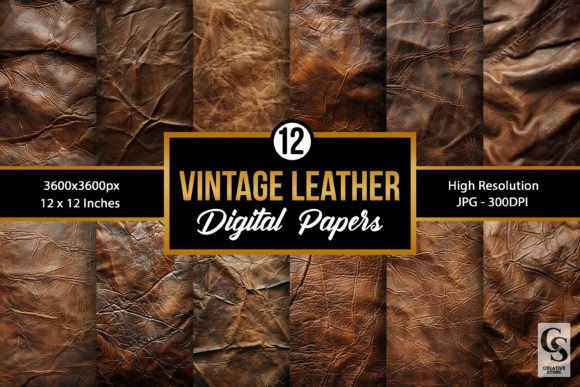
Each of the twelve digital papers in this set is designed to replicate the nuanced surface of genuine, aged leather. You'll find subtle variations in tone, from deep, rich browns to more muted, earthy tans. The textures showcase realistic details like fine grain, natural creases, and the gentle wear patterns that tell a story of use and time. This isn't a flat, synthetic pattern; it's a high-resolution (300dpi) capture that holds up to close inspection, making it a versatile design asset for both digital screens and high-quality print.
The overall appeal lies in its ability to evoke a sense of authenticity and craftsmanship. A vintage leather texture background can make a brand feel established and trustworthy. For a personal project, it adds a layer of warmth and nostalgia. It’s a visual shorthand for something made with care, which is why it works so effectively across so many different applications.
Practical Applications: From Branding to DIY Crafts
The real value of these backgrounds is in their application. As a premium font or texture, its utility spans professional and personal projects alike. Let's break down where this creative font—or more accurately, this creative texture—truly shines.
For Brand Identity and Marketing Materials
When developing a brand identity, consistency is key. These leather textures can serve as a unifying element. Use them as the background for your logo design presentations, on your business cards, or as the cover for a company brochure. They are particularly effective for brands in the artisan, heritage, menswear, barbershop, or premium spirits spaces. The texture supports a narrative of quality and tradition without saying a word.
In packaging design, a leather-textured background on a box, sleeve, or label immediately elevates the product. It suggests a premium experience before the customer even opens it. For social media graphics, using these backgrounds for quote cards, product announcements, or behind-the-scenes posts can help your content stand out in a busy feed, adding a tangible, tactile quality to the digital space.
For Publishing and Editorial Design
In editorial design, texture guides the reader's eye and sets the tone. These backgrounds are perfect for creating unique chapter title pages in a book, the cover of a journal or planner, or the header of a vintage-themed magazine layout. They pair exceptionally well with both classic serif fonts for a traditional look and clean sans serif fonts for a more modern contrast. Think of a cookbook with a leather-textured cover, or a set of digital planners with a subtle leather background—it adds a layer of sophistication that plain paper cannot achieve.
For Personal Projects and Stationery
This is where the fun really begins for crafters and hobbyists. The set includes files perfectly sized for 12"x12" projects, making them ideal for digital scrapbooking layouts. But the applications go far beyond that. Use them to design custom greeting cards for a father's birthday or a friend's graduation. Create unique invitation backgrounds for a rustic wedding or a milestone anniversary party. They can even be used for DIY projects like designing custom notebook covers, tumbler wraps, or wall art for a home office or study.
Integrating Texture into Your Design Workflow
Using a texture effectively is about more than just placing it behind text. It's about creating a cohesive visual hierarchy. Here’s some practical guidance for working with these vintage leather texture backgrounds.
Evaluating Project Fit: Before you begin, consider your project's overall message. Does it call for a sense of history, ruggedness, or premium quality? A leather texture might clash with a project aiming for a minimalist, futuristic, or ultra-clean aesthetic. It's a powerful stylistic choice, so ensure it aligns with your core concept.
Mastering Font Pairing: The texture is your stage; your typography is the actor. For a classic, authoritative feel, pair the leather background with a strong display font or a traditional serif font. For a more contemporary look that balances the old with the new, try a geometric sans serif font. Script fonts and handwritten fonts can also work beautifully for elegant invitations or personal stationery, but always test for readability. Ensure there is enough contrast between the text color and the texture's tones.
Testing and Licensing: Always test your final design on the intended medium. View a digital design on a phone and a desktop. For print, order a proof if possible. This helps you catch any issues with text legibility or color reproduction. Furthermore, since these are commercial font assets (textures in this case), verify the licensing. The included zip file typically comes with a license that covers a wide range of commercial uses, but it's always good practice to review the terms to ensure your specific project, especially for large-scale commercial products, is covered.
Ultimately, these 12 Vintage Leather Texture Backgrounds are more than just images; they are foundational design assets