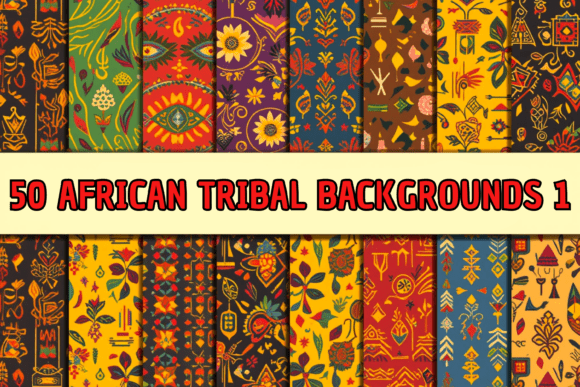
Exploring 50 African Tribal Backgrounds 1: A Designer's Guide
When you first encounter 50 African Tribal Backgrounds 1, you're not just looking at a collection of patterns—you're stepping into a visual language that has been spoken for centuries. These backgrounds draw from the rich tapestry of African textile traditions, tribal art, and cultural symbolism, offering designers and creators a powerful tool to inject energy, meaning, and authenticity into their projects. Unlike generic geometric patterns, these designs carry stories within their shapes and colors.
The Visual Heartbeat: What Makes These Patterns Stand Out
The personality of 50 African Tribal Backgrounds 1 is unmistakable. You'll find bold geometric shapes—triangles, circles, and interlocking lines—arranged in rhythmic, repeating motifs that create a sense of movement and harmony. The color palettes are both vibrant and earthy: think deep reds, sun-bright yellows, lush greens, and rich browns, often combined in ways that feel both traditional and contemporary. These aren't just decorative elements; they're visual narratives inspired by specific cultural practices like Kente weaving from Ghana or Mud Cloth (Bogolanfini) from Mali.
What sets these backgrounds apart is their versatility in style. Some are dense and intricate, perfect for projects that need a strong focal point. Others are more minimal, using negative space and simpler shapes to create subtle texture. Whether you're working on a logo design, editorial layout, or social media graphics, you can find a pattern within this collection that matches the tone and energy you're aiming for.
Where These Backgrounds Truly Shine
As a designer or creative professional, you'll find that 50 African Tribal Backgrounds 1 excels in projects where you want to convey authenticity, energy, and cultural depth. They're particularly effective in:
- Brand Identity and Packaging: For businesses rooted in African heritage, artisan products, or global wellness, these patterns can become the cornerstone of a brand identity. They work beautifully on packaging, business cards, and merchandise, helping brands stand out with a sense of cultural connection and visual boldness.
- Editorial and Web Design: In magazine layouts, blog headers, or website backgrounds, these patterns add texture and interest without overwhelming the content. When used as a subtle background behind text or as a border element, they create a sophisticated, layered look that engages readers.
- Fashion and Textile Design: Naturally, these backgrounds translate directly into fabric prints for apparel, accessories, and home décor. Their inherent rhythm and color harmony make them ideal for creating cohesive collections that feel both timeless and modern.
- Digital Media and Marketing: For social media graphics, presentations, and digital ads, these patterns offer a quick way to add visual impact. A bold African pattern background can make a promotional post or a slide deck feel more dynamic and culturally aware.
It's important to consider the context. A dense, colorful pattern might be perfect for a poster but too busy for a business card where legibility is key. In such cases, using a simplified version of the pattern or a single motif as an accent can be more effective.
Practical Guidance for Using These Patterns
Integrating 50 African Tribal Backgrounds 1 into your work is more than just dragging and dropping. Here’s how to do it thoughtfully:
Evaluate the Project Fit: Ask yourself what story you want to tell. If your project aims to celebrate heritage, craftsmanship, or vibrant energy, these backgrounds are a strong fit. For minimalist, corporate, or highly technical designs, they might need to be used more sparingly as accent elements rather than dominant backgrounds.
Font Pairing and Readability: These patterns are visually strong, so pairing them with the right typeface is crucial. For clean, modern contrast, pair a bold tribal background with a simple sans serif font for body text. For a more editorial or luxurious feel, a classic serif font can work well. Avoid overly decorative script fonts or handwritten fonts for large blocks of text, as the background's complexity can reduce legibility. Always test your text over the pattern at the intended size to ensure it remains easy to read.
Color Harmony and Hierarchy: Use the background's existing color palette to inform your other design elements. Pull a secondary color from the pattern for your headlines or buttons to create a cohesive look. Remember, the background should support your content, not compete with it. If the pattern is very busy, consider placing text on a semi-transparent solid color overlay to improve contrast.
Licensing and Formats: When sourcing these backgrounds, look for premium font and design asset providers that offer clear commercial licenses. High-quality files in formats like PNG (with transparency), JPG, and SVG will give you the most flexibility across print and digital applications. SVGs are particularly useful for web design as they scale without losing quality.
Beyond Decoration: Building Meaningful Visuals
Ultimately, 50 African Tribal Backgrounds 1 offers more than aesthetic appeal. It provides a bridge to cultural storytelling, allowing designers to create work that resonates on a deeper level. When used with respect and understanding, these patterns can elevate a brand's identity, make editorial content more engaging, and add a layer of authenticity to any creative project.
As you explore this collection, think of it as a toolkit for building visual narratives. The right pattern, used thoughtfully, can become the foundation of a memorable design that connects with your audience and stands out in a crowded marketplace. Whether you're crafting a brand identity, designing a website, or creating a series of social media graphics, these backgrounds offer a rich source of inspiration grounded in a vibrant artistic tradition.